
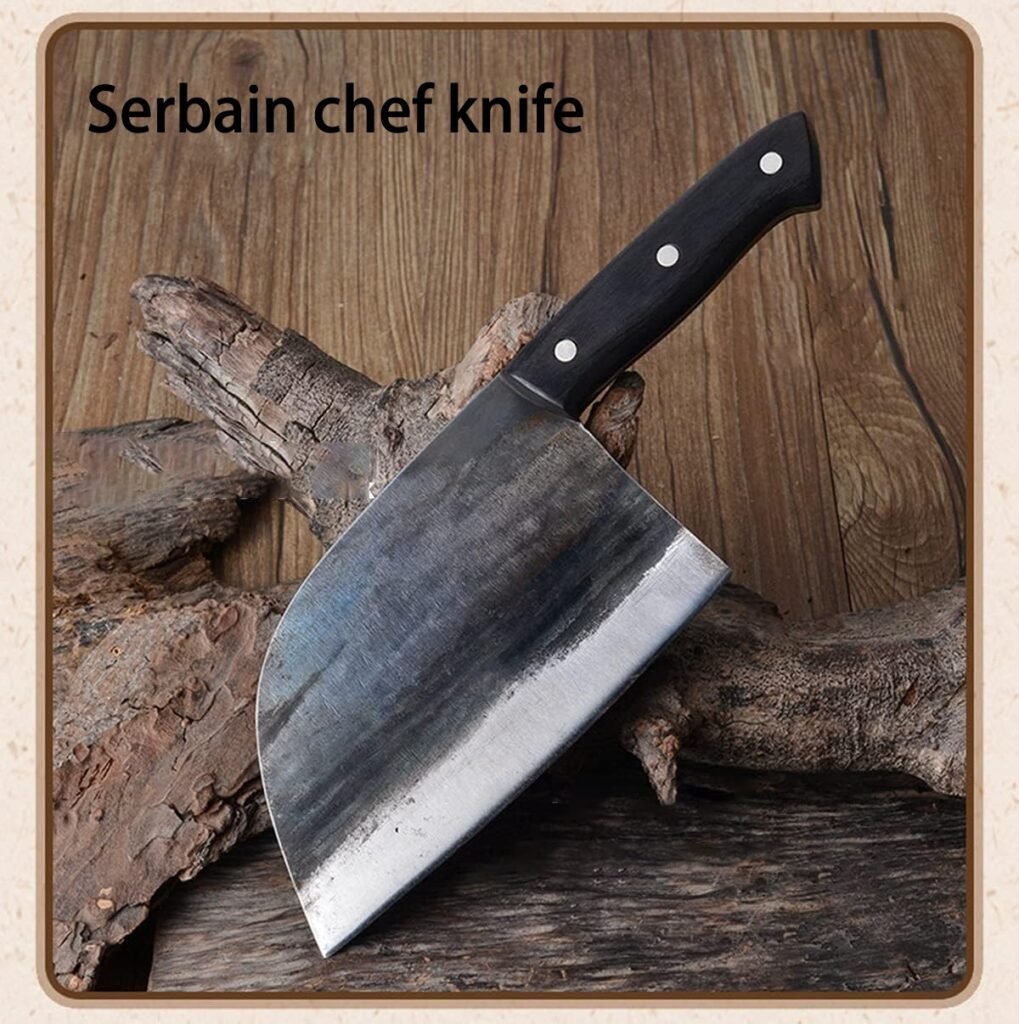
The Serbian knife is a traditional weapon imbued with deep cultural significance and exquisite craftsmanship, often regarded as a symbol of Serbian culture and history. These knives typically feature unique designs and functionalities that reflect the practical needs of the Serbian people in both combat and daily life.
1) History and Tradition of the Serbian Knife
The history of the Serbian knife dates back to the Middle Ages, where it served not only as a weapon of war but also as a tool for farmers and herdsmen in their daily routines. Characterized by its curved blade and ornate handle, these knives were crafted to provide a comfortable grip and efficient use. The handles often showcase intricate wood carvings and metal embellishments, showcasing the skilled craftsmanship of Serbian artisans.
2) Design Features and Craftsmanship Techniques
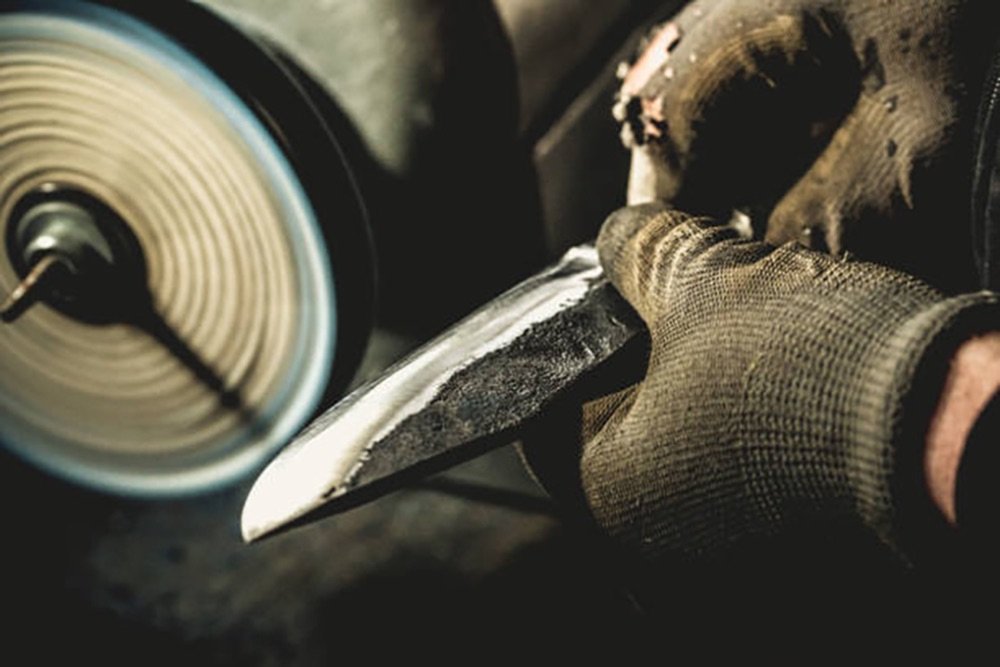
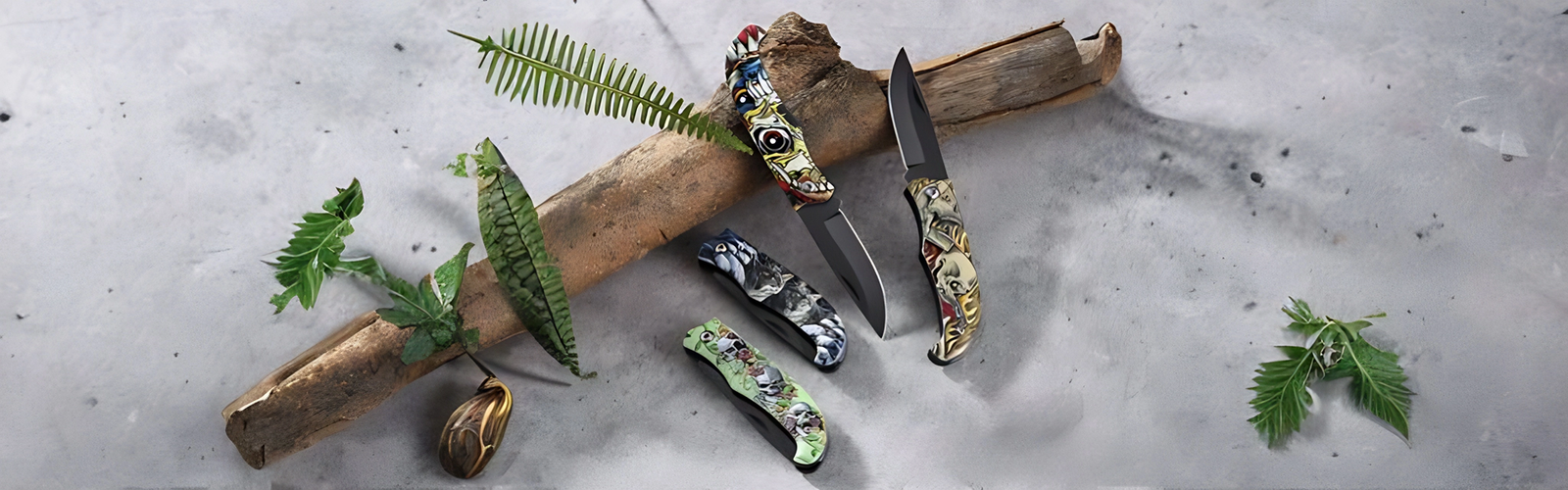
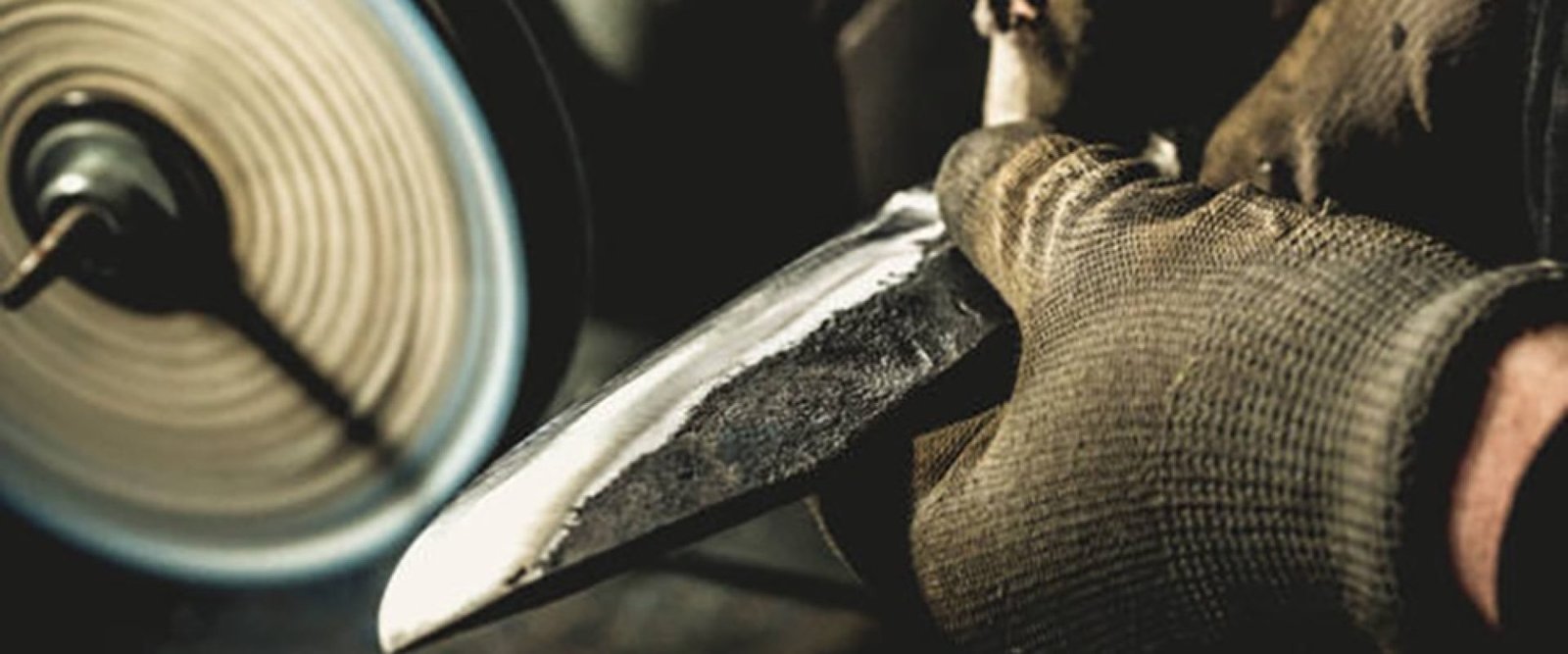
The Serbian knife is distinguished by its curved blade and sharp edge, designed to facilitate slashing and close combat. Typically single-edged, sometimes with a curved blade, these knives are crafted to enhance their combat utility. The decorative elements on the handles often reflect regional cultural and artistic styles, making each knife a work of art meticulously crafted by skilled artisans.
3)Cultural Symbolism and Modern Continuity
In Serbian culture, the Serbian knife symbolizes courage, tradition, and honor, often exchanged as gifts to signify respect and friendship. Today, while manufacturing techniques may have evolved, the Serbian knife retains its traditional charm and practicality, appealing to collectors and enthusiasts of weaponry.

Conclusion
The Serbian knife, with its unique design, superb craftsmanship, and rich cultural heritage, exemplifies Serbian ingenuity and creativity. Whether as a cultural artifact or a practical tool for combat and daily use, the Serbian knife continues to inspire and resonate worldwide. Its blend of tradition and modernity makes it a unique and cherished entity in the global market for edged weapons.