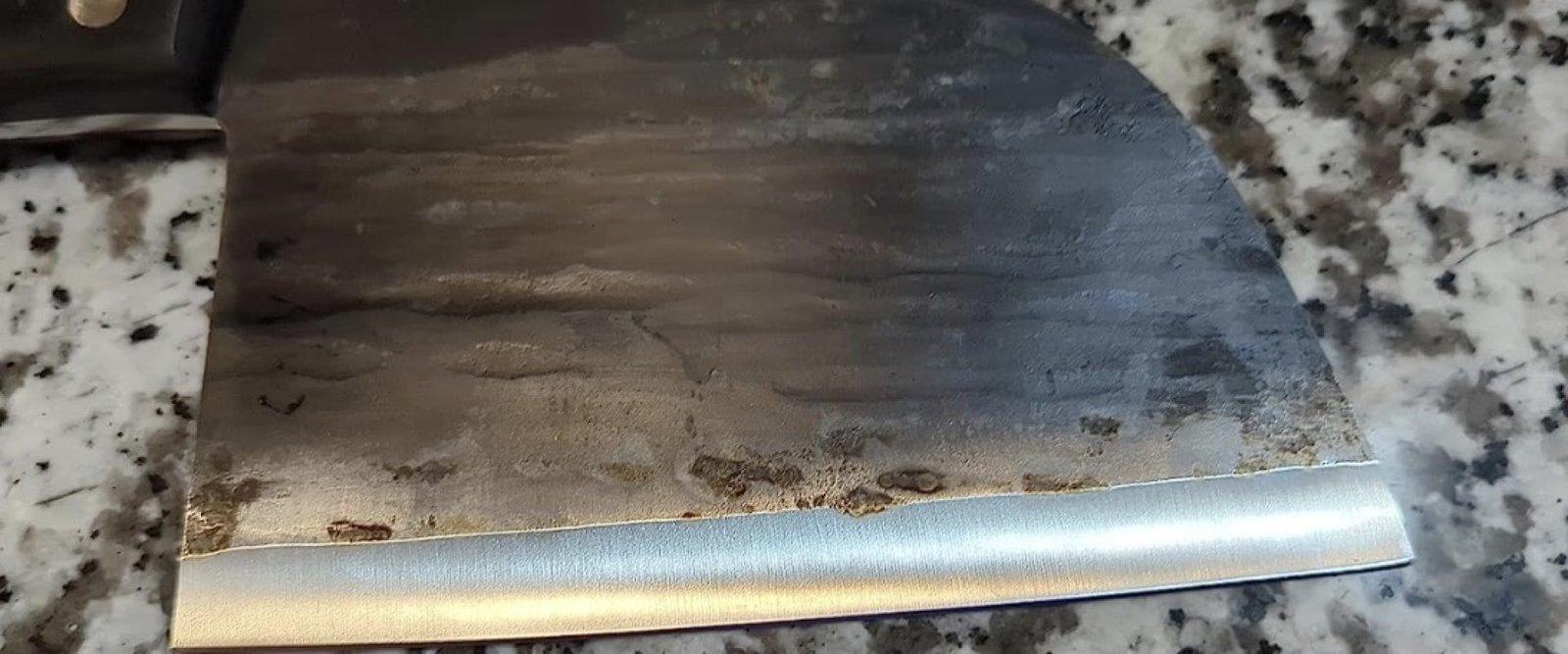

High carbon steel forged knives suitable for BBQ or outdoor meat cutting are sharper than stainless steel, but the rust problem often ignores us
BY THE WAY
So what causes rust ? whatever hand-forged knife made of high-carbon steel or a stainless steel kitchen ?
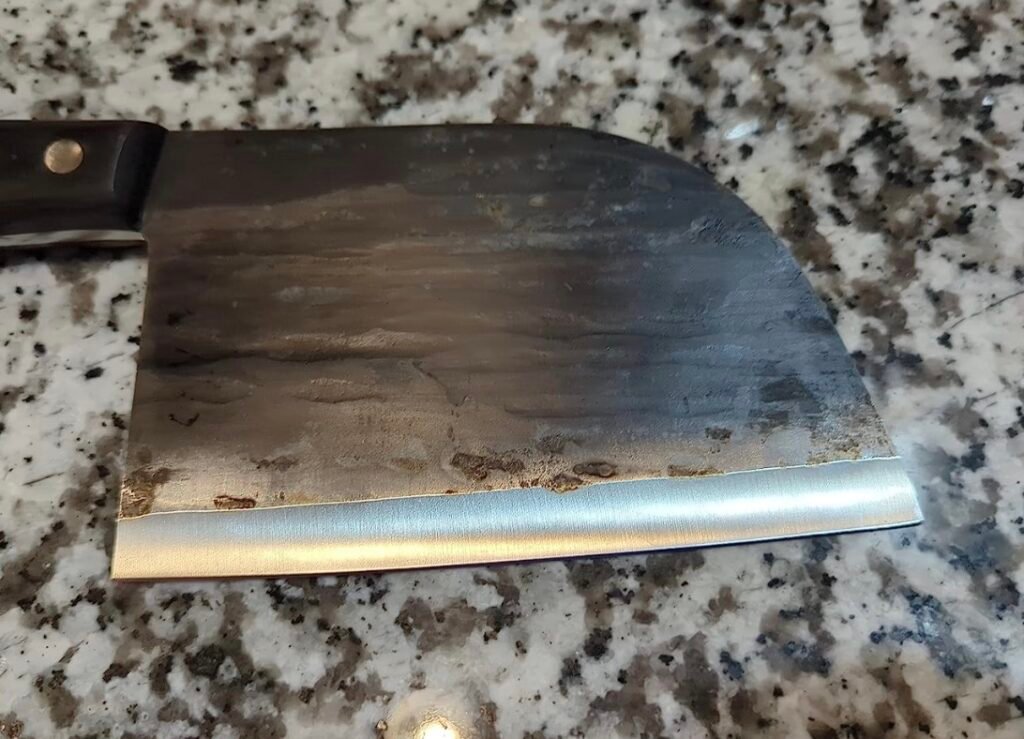
Knives can rust due to several factors, primarily involving exposure to moisture and improper storage conditions. Here are the key reasons why kitchen knives may rust:
1: Moisture and Water Exposure
High Humidity and Wet Conditions : Leaving knives in a humid environment, such as near sinks or dishwashers, can lead to moisture buildup on the blade. Knives left wet after washing or used with wet hands without proper drying can promote rust formation.
2:Acidic Foods
Food Residue : Acidic substances from certain foods (e.g., citrus fruits, tomatoes) can react with the metal on the knife blade, accelerating corrosion if not cleaned promptly.
3: Improper Cleaning and Maintenance
Neglecting Drying and Using Harsh Cleaners :Not thoroughly drying the knife after washing allows water to linger and cause rust over time. Certain abrasive or acidic cleaners can damage the knife’s protective layers, making it more susceptible to rust.
4: Storage Conditions
Humid Environment and Direct Contact with Other Metals : Storing knives in a humid place, such as a drawer without proper ventilation, can lead to moisture buildup. Storing knives in contact with other metals or reactive materials can cause galvanic corrosion, leading to rust.
5: Quality of Stainless Steel
Lower Quality Steel :Knives made from lower-quality stainless steel may have less resistance to corrosion, making them more prone to rusting.

Can you restore a rusty knife? Absolutely!
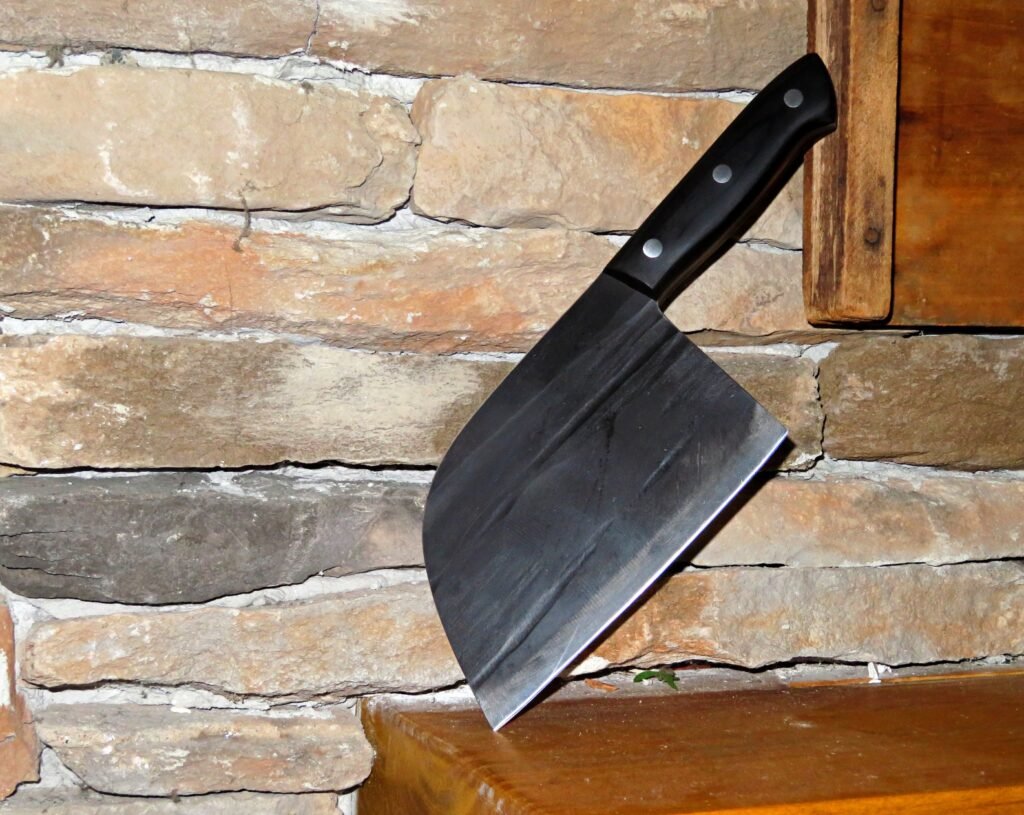
Removing rust from kitchen knives is essential to maintain their functionality and appearance. Here are several effective methods you can use:
1: Baking Soda Paste
- Make a paste using baking soda and water (or lemon juice/vinegar for added acidity).
- Apply the paste to the rust spots and let it sit for about 30 minutes.
- Scrub gently with a soft-bristled brush or toothbrush.
- Rinse off and dry thoroughly.
2: Vinegar Soak
- Submerge the rusty parts of the knife in white vinegar for several hours or overnight.
- Remove and scrub with a sponge or cloth to loosen the rust.
- Rinse and dry thoroughly to prevent further rusting.
3:Steel Wool or Sandpaper
- For stubborn rust, you can use fine-grade steel wool or sandpaper (around 1000 grit or higher).
- Wet the steel wool or sandpaper and gently rub the rusted areas.
- Be careful not to scratch the blade excessively.
- Rinse and dry thoroughly afterward.
4:Commercial Rust Removers
- There are various commercial rust removers available that are specifically formulated for kitchen tools.
- Follow the manufacturer’s instructions carefully, as some may require dilution or specific application times.
- Rinse thoroughly after using a commercial rust remover.
5:Going to the repair knife merchandise to polish it up
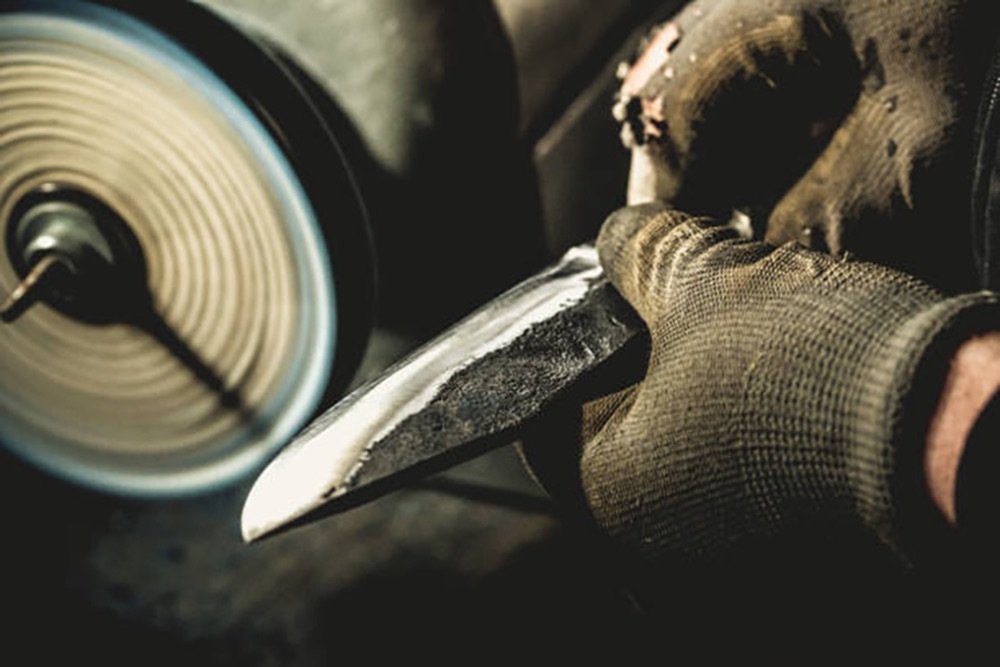
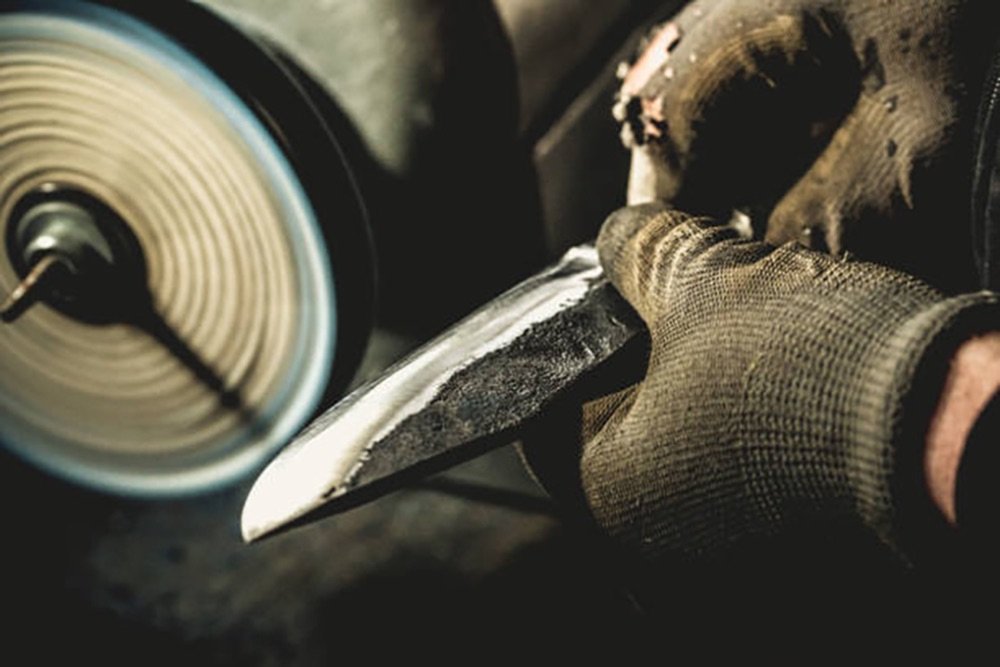
I’m sorry to hear that when you have tried everything and the rusty knife is still unsalvageable, you can go to your local neighbourhood knife repair shop and simply polish the blade a second time, then will get a new knife!
Always ensure to rinse and dry your knives thoroughly after any rust removal process to prevent further oxidation. Regular maintenance and care will prolong the life and performance of your kitchen knives.