
Finding the right carbon steel knife for men (or anyone) involves considering a few key factors:
Carbon content: low carbon steel is generally less than 0.25%; Medium carbon steel is generally between 0.25 and 0.60%; High carbon steel is generally greater than 0.60%.
The higher the rating, the harder the material, so the thinner/finer the edge can be, which is why you see higher ratings on our knives as they are built to be sharper and importantly – retain that sharpness for much longer than softer steels.
Carbon steel is high carbon steel, medium carbon steel and low carbon steel. The higher the carbon content, the higher the hardness, strength and wear resistance of the steel after heating treatment, and the more brittle. The lower the carbon content, the soft and ductile.

The hardness of carbon steel is usually measured according to Rockwell (HRC), the higher the hardness value, the harder the material is. Generally, carbon steel can be hardened to HRC58~62 after quenching, which is considered a higher level of hardness. For stainless steel kitchen knives, the hardness is usually around HRC55°. The range of hardness varies between different types and brands of knife steels, for example, high-end steels such as US 1080 and Japanese SK5 have blade hardnesses between 62-65 HRC, while D2 steels are used to make mid-range priced knives with blade hardnesses between 55-62 HRC.12
Hardness is an important performance indicator for cutting tool steels, which affects the tool’s wear resistance, ability to stay sharp, and resistance to corrosion. Higher hardness tool steels are more resistant to wear and can remain sharp for longer periods of time, but may be more difficult to resharpen. Conversely, low hardness tool steel is easier to sharpen but may stay sharp for a shorter period of time.
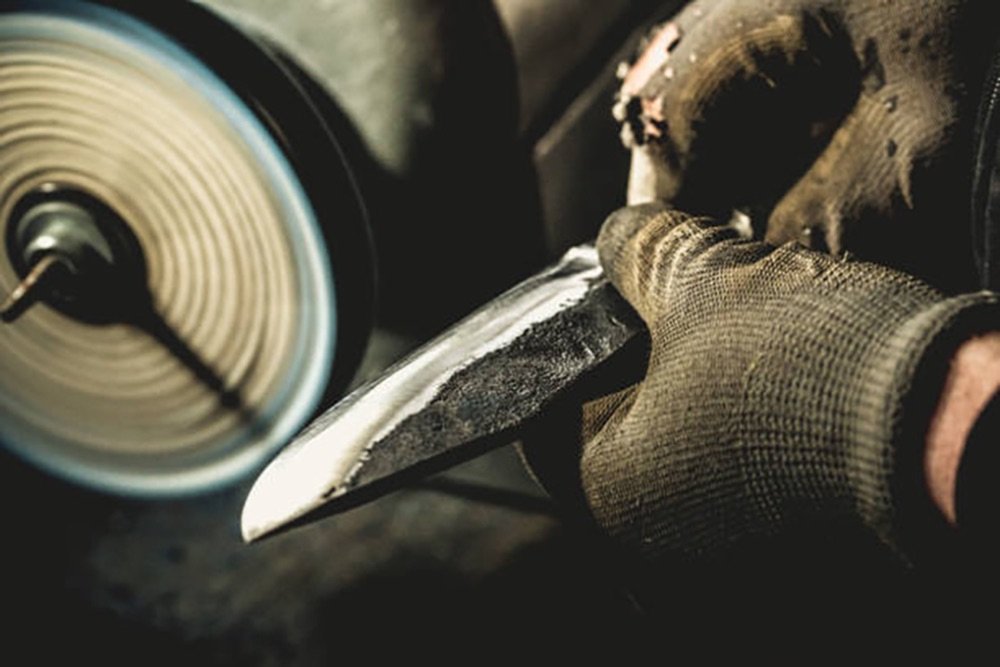
Heat treatment has a significant effect on the hardness of tool steel. Different heat treatment processes can result in different hardnesses of the same steel; therefore, the final hardness of the steel is determined by the heat treatment. Choosing the right heat treatment process can significantly improve the performance and durability of the tool.
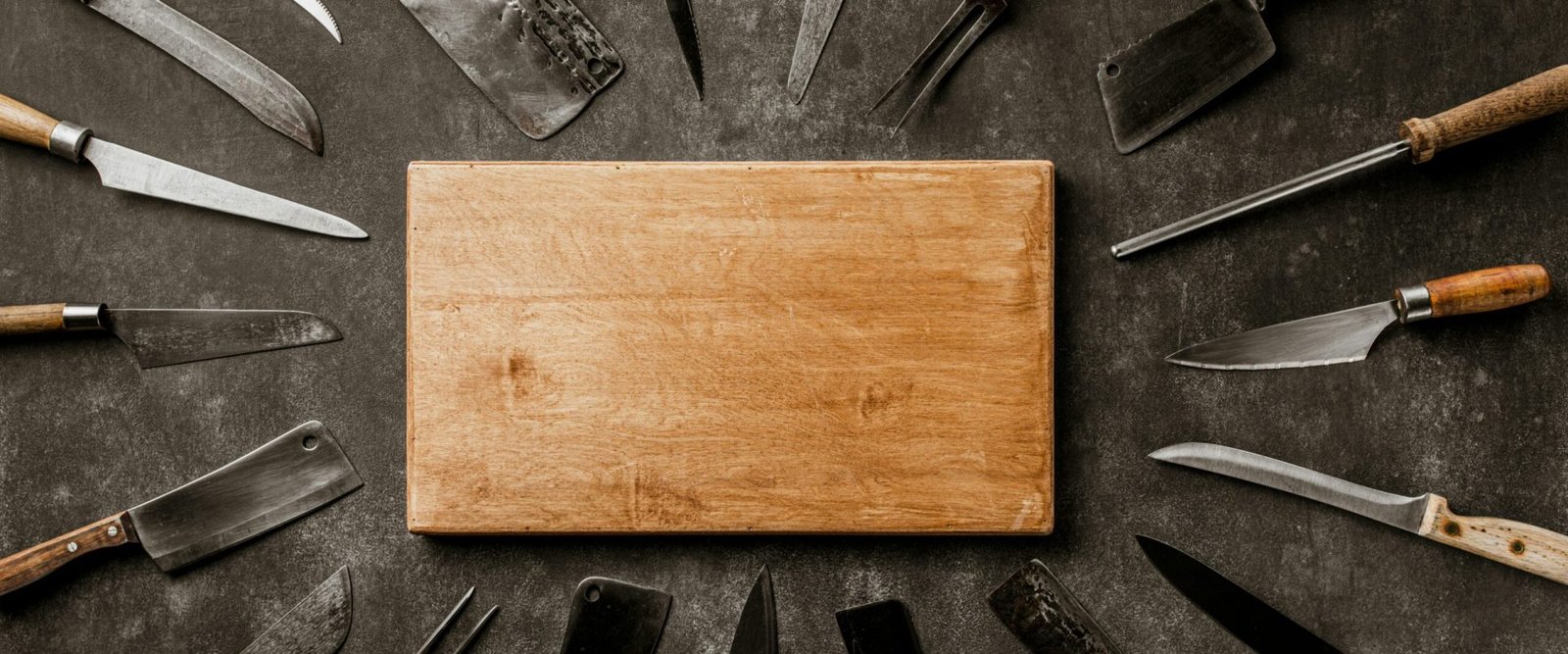
- Knife Types: Butcher knives come in various types:
- Chef’s Knife: Versatile and good for general tasks.
- Cleaver: Heavy-duty knife for chopping through bones.
- Boning Knife: Precise for deboning meat.
- Slicing Knife: Long, thin blade for slicing meat thinly.
- Purpose: Determine what tasks you’ll primarily use the knife for (e.g., cutting meat, chopping bones, slicing).
- Size and Weight: Choose a knife that feels comfortable and balanced in your hand. This can vary depending on personal preference and the size of your hands.
- Material and Construction: Look for knives made from high-quality materials like stainless steel or carbon steel for durability. Consider the handle material for grip and comfort.
- Brand and Reviews: Research reputable brands known for quality knives. Read reviews to see what others say about the knives’ performance and durability.
- Budget: Set a budget based on your needs and the quality you’re looking for. Quality butcher knives can range widely in price.
- Maintenance: Consider ease of sharpening and maintenance. Some knives require more frequent sharpening than others.
- Safety: Ensure the knife has a good grip to prevent accidents. Some knives come with safety features like finger guards.
To buy butcher knives:
- Online: Websites like Amazon, specialty kitchen stores, or the websites of specific knife brands offer a wide selection.
- In-store: Visit kitchen supply stores or specialty stores where you can handle the knives and get a feel for them before purchasing.
Remember, the best carbon knife for you is one that fits comfortably in your hand, suits your cutting style, and meets your cooking needs.